

Why Is My Sleep Different After 50?
By My Wellness Chapter
You used to sleep well. You went to bed, slept through the night, and woke up ready for the day. You didn't have to think about it.
Then, somewhere along the way, things changed. Maybe you wake up at 3 AM. Maybe you're up at 5 with no alarm. Maybe your body is exhausted at bedtime while your mind refuses to switch off. Or maybe you spend eight hours in bed and still wake up tired.
If you're wondering what happened to your sleep, this article is the place to start.
You're not imagining it
Sleep problems become more common in midlife, and the numbers show it clearly.
In the CDC's 2024 National Health Interview Survey, 22.3% of adults aged 50 to 64 said they had trouble staying asleep most days or every day. Women were more affected than men: 21.4% compared with 14.6%.
Menopause adds to this. In a 2024 survey by the American Academy of Sleep Medicine, 55% of women aged 45 to 54, and 44% of women aged 55 to 64, said menopause sometimes, often or always disrupted their sleep.
So if your sleep has changed, you're in very large company. And nothing about it means you're "doing it wrong."
You still need a full night's sleep
A common belief is that we simply need less sleep as we get older. According to the National Institute on Aging, that isn't true: older adults still need about seven to nine hours a night.
What changes isn't how much sleep you need. It's how your sleep happens.
Four ways sleep changes after 50
Most sleep changes after 50 fall into one of four patterns. Many women recognize themselves in one right away, and some in two.
Sleep becomes lighter and more broken
With age, we spend less time in deep sleep, and the second half of the night becomes lighter. Small things that wouldn't have woken you years ago, like a sound, a warm room or a full bladder, now can.
If you wake at the same time most nights and struggle to fall back asleep, read Why Do I Keep Waking Up at 3 AM?.
Your body clock moves earlier
The National Institute on Aging notes that older adults tend to get sleepy earlier in the evening and wake earlier in the morning. If you stay up past that point, you may still wake at 5 AM, and the night ends up short.
If you're often wide awake at 4 or 5 AM, read Why Do I Wake Up at 4 AM and Can't Go Back to Sleep?
Your mind gets busier at night
Midlife often brings more on your plate: work, family, aging parents, decisions. During the day, there's no time to think. At night, everything comes back at once, and your body is tired while your brain is wide awake.
If that sounds like you, read Why Am I Tired All Day but Wide Awake at Night?.
Hormones and temperature shift
Around menopause, changing hormones make it harder for the body to regulate its temperature. Hot flashes and night sweats can break up the night, and the National Institute on Aging notes that waking up may even trigger hot flashes, not only the other way around.
Other things can play a part too: pain, some medications, health conditions, and sleep disorders such as sleep apnea. That's why it helps to look at the whole picture rather than blaming everything on age or hormones.
If hot flashes and night sweats are breaking up your nights, read How to Sleep With Night Sweats During Menopause.
Why the usual sleep tips often don't work
Most sleep advice treats every sleep problem the same way: a list of ten tips, from chamomile tea to a new pillow.
But falling asleep, staying asleep and waking too early are different problems with different causes. A tip that helps a busy mind at bedtime does nothing for a body clock that wakes you at 5 AM. That's often why women who have "tried everything" still sleep badly: they've been trying the right things for the wrong pattern.
Understanding your own pattern comes first. The right steps follow from it.
FREE 2-MINUTE QUIZ
Which of these four patterns sounds like you?
The 3 AM Waker, the Racing Mind, the Early Riser or the Shifting Sleeper. Find your Sleep Type in 2 minutes and get a free guide made for your pattern.
Hours in bed aren't the whole story
"I was in bed for eight hours, so why am I so tired?"
How long you sleep is only part of it. How deep and how unbroken your sleep is matters just as much. In the same CDC survey, only 54.5% of adults aged 50 to 64 said they woke up feeling well-rested most days.
So alongside "How many hours did I sleep?", it's worth asking: "How did I feel when I woke up?"
Where to start: one week of noticing
Before you change anything, spend a week simply noticing. Each morning, jot down a few things:
What time you went to bed and got up
How many times you woke, and roughly when
Whether you woke feeling hot, restless or worried
Caffeine and alcohol, and at what time
How you felt during the day
Patterns that are invisible at 3 AM often become obvious on paper. These notes are also very useful if you decide to talk to your doctor.
A few steady habits that help every pattern
Whatever your pattern, a few basics support better sleep:
Get up at the same time every day, even after a bad night.
Keep coffee to the morning, and remember that alcohol makes it harder to stay asleep.
Keep your bedroom cool, dark and quiet.
Give yourself a calm half hour before bed, without screens.
If you wake in the night and can't get back to sleep, read How to Get Back to Sleep After Waking Up at Night.
When to talk to your doctor
Talk to a healthcare professional if:
Sleep problems happen at least three nights a week, have lasted three months or more, and affect your days
You snore loudly, wake up gasping, or someone has noticed pauses in your breathing
Night sweats regularly wake you
You've felt tired all the time for several weeks
Your sleep isn't broken. It has changed.
The question isn't "Why can't I sleep like I used to?" It's "What does my sleep need now?"
Your body has changed, and so have your routines and responsibilities. The way you slept at 35 may not be the way you'll sleep best at 55, and that's okay. The goal isn't to go back. It's to understand your sleep as it is today, and find what works for you now.
Sources & Further Reading
A Note About Your Health
This article is for general educational purposes only and is not medical advice. If you have persistent or severe sleep problems, or concerns about symptoms, medications, or other health conditions affecting your sleep, speak with a qualified healthcare professional.
Find the article that sounds like your nights

Why Do I Keep Waking Up at 3 AM?

How to Get Back to Sleep After Waking Up at Night

Why Am I Tired All Day but Wide Awake at Night?
Find the article that sounds like your nights
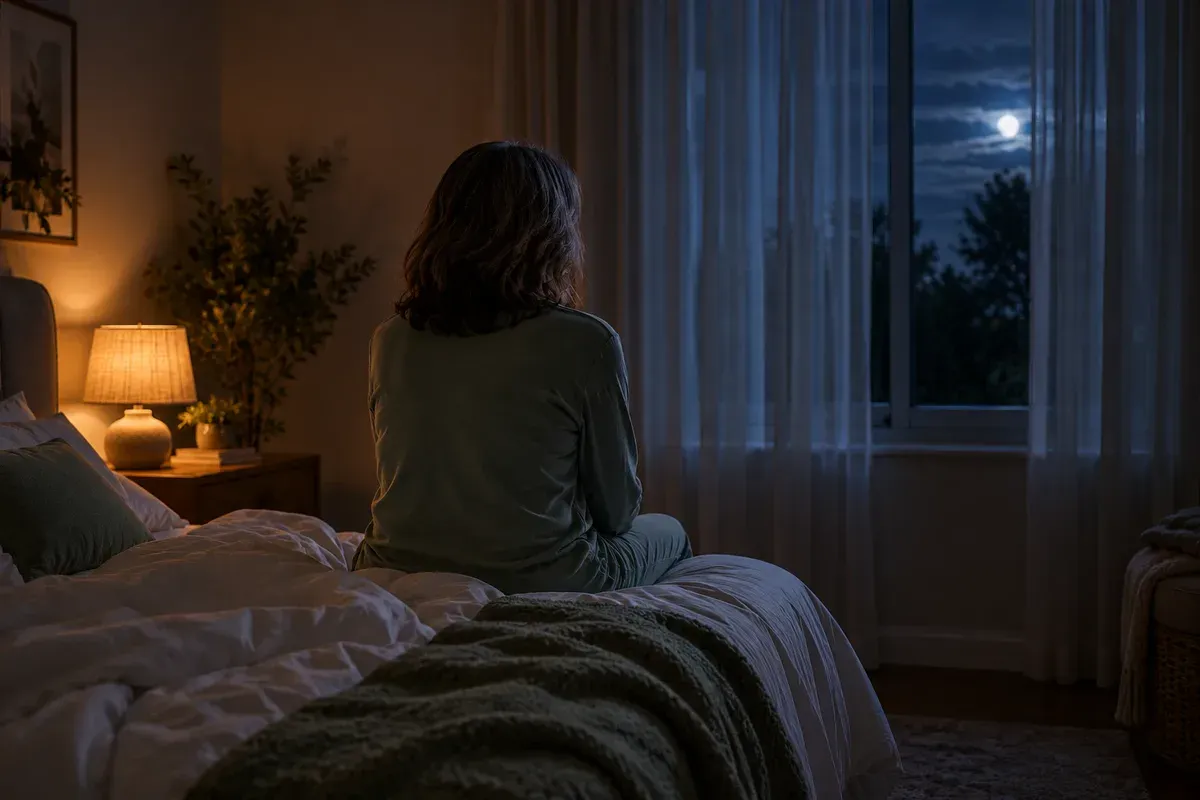
Why Do I Keep Waking Up at 3 AM?
Why it happens after 50, and how to make those wake-ups easier to manage.
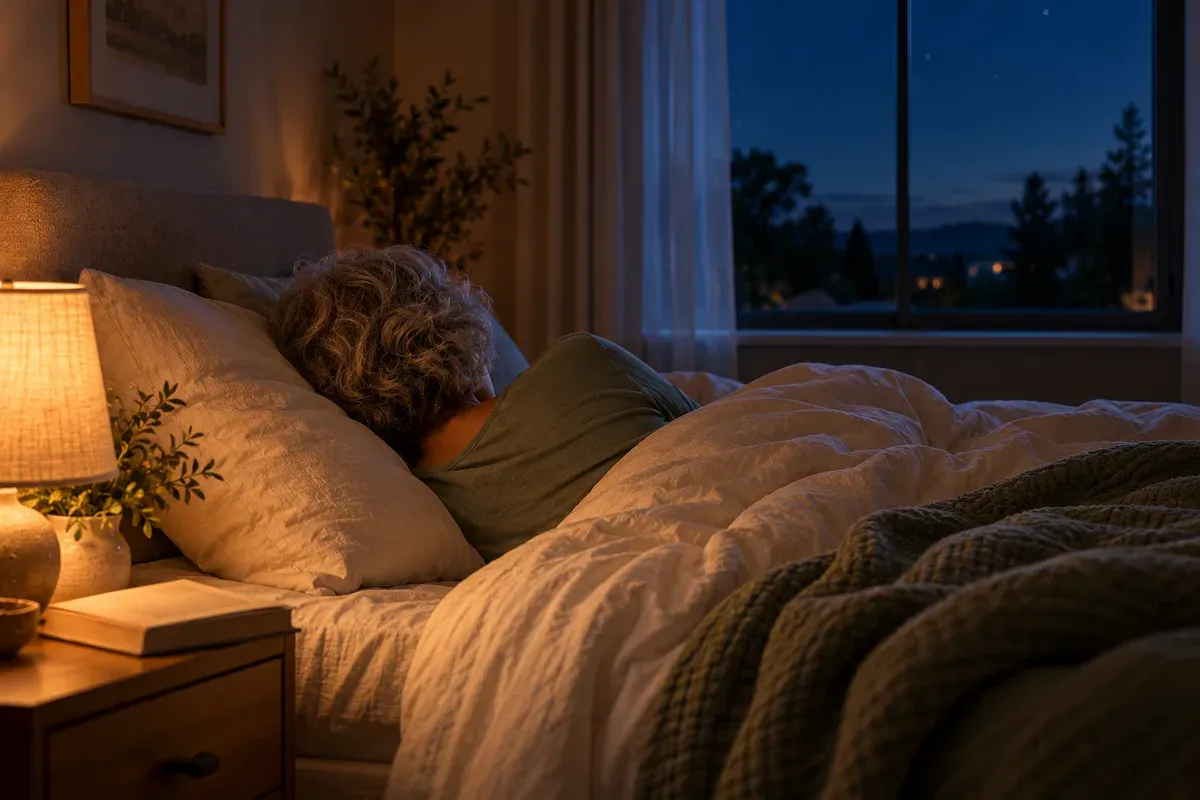
How to Get Back to Sleep After Waking Up at Night
Simple ways to stay calm, avoid common sleep traps and drift back off.

Why Am I Tired All Day but Wide Awake at Night?
Why fatigue and alertness can happen together, and the habits that may help.
Ready to understand
your sleep?
Find your Sleep Type in 2 minutes and get a FREE guide made for your pattern.
Ready to understand your sleep?
Take the 2-minute quiz and get your free personalized guide.
© 2026 My Wellness Chapter. All rights reserved.
For educational purposes only, not medical advice.
Explore
About us
Contact
Learn
Free Sleep Guide
Quiz
Sleep Reset Program
Connect
Youtube
Legal
Privacy Policy
Terms & Conditions
Disclaimer
Explore
About us
Contact
Learn
Sleep Type Quiz
Sleep After 50
Waking Up at 3 AM
Connect
Youtube
Legal
Privacy Policy
Terms & Conditions
Disclaimer
© 2026 My Wellness Chapter. All rights reserved.
For educational purposes only, not medical advice.