

How to Sleep With Night Sweats During Menopause
By My Wellness Chapter
It's 2:40 AM. You wake up hot, then damp, then soaked. The sheets are sticking to you. You kick off the covers, change your top, maybe flip your pillow, and lie back down. Twenty minutes later, you're cold.
And tomorrow night might be completely different. That's part of what makes night sweats so exhausting: you never know which kind of night you're going to get.
The short answer: to sleep better with night sweats, keep a dry top and cool water by the bed, and use a light layer you can kick off. When you wake up hot, cool down, keep the lights low and don't check the clock. This won't stop hot flashes, but it can make hot nights easier. If hot flashes really bother you, ask your doctor about treatment: effective options exist.
You're not the only one changing pajamas at 3 AM
Read what women in midlife say about their nights, and the same details keep coming up. Changing sleep shirts two or three times a week. Keeping a spare by the bed. Sleeping on a towel. Windows open in the middle of winter. Waking up drenched, then freezing. And the quiet question underneath all of it: is this just my life now?
If that sounds like you, nothing is "wrong" with you, and you're far from alone.
Why night sweats wake you up
Night sweats are hot flashes that happen while you sleep. Here's what research shows about why they're so disruptive.
The transition affects sleep. In a large US study that followed more than 3,000 women for several years, trouble falling and staying asleep became more common through the menopause transition. Women with more frequent hot flashes or night sweats reported more sleep problems.
Your comfort zone can get narrower. In women who have hot flashes, the range of temperatures the body feels comfortable in seems to shrink. So even a small rise in body heat can set off a hot flash.
And a hot flash often means a wake-up. In one sleep-lab study of women in perimenopause, about 7 in 10 nighttime hot flashes came with a wake-up. Sleep also tends to be lighter later in the night, which may make those wake-ups easier to trigger. (If waking around 3 AM is your main problem, read Why Do I Keep Waking Up at 3 AM?).
FREE 2-MINUTE QUIZ
Our quiz looks at four common sleep patterns after 50
Hot nights and unpredictable sleep often go together. Find out which pattern is yours, and get a free guide made for it.
How to sleep with night sweats: set up before bed
You can't predict which night will be rough, so prepare for it every night. It takes two minutes:
A dry top within reach, so you don't have to get up and dig through a drawer.
A glass of cool water on the nightstand.
A light layer you can kick off instead of one heavy comforter, so you can adjust without fully waking up.
A cooler room and breathable bedding can make hot nights more bearable too. Just know what they do and don't do: they're about comfort. They haven't been shown to reduce hot flashes themselves.
The Night Reset: what to do when you wake up drenched
When heat wakes you up, the goal isn't to stop the hot flash. It's to get back to sleep with as little drama as possible.
1. Cool down first. Uncover your feet, swap into your dry top, flip your pillow to the cool side, and take a sip of water.
2. Keep it calm. Leave the lights low and don't check the time. Doing the math on how many hours are left is one of the fastest ways to wake yourself up completely.
3. Let your body settle. Give yourself a few minutes to cool down, then get comfortable and lie back down.
It won't stop hot flashes. But it can make waking up hot a little less miserable, and make it easier to settle back down.
If you tend to wake up cold after a sweat, change out of anything damp and pull your light layer back on once you've cooled down. It may keep the chill from waking you again.
Still wide awake after a while? Our step-by-step guide can help: How to Get Back to Sleep After Waking Up at Night.
It's not just your hormones
Hormones play a real part. But they're not the whole story. Mood, breathing problems during sleep, age and everyday habits can all shape how well you sleep, with or without night sweats.
That's actually good news, because some of those things you can work on. And if you don't have hot flashes at all but your nights still feel unpredictable, the steps in this article can still help. You can read more about the bigger picture in Why Is My Sleep Different After 50?
Better sleep doesn't have to wait for hot flashes to stop
In a clinical trial of 106 women with hot flashes and insomnia, six phone sessions of CBT-I (a structured insomnia program) improved their sleep, and the improvement lasted, even though their hot flashes didn't become less frequent.
In other words, what helped was changing how they slept, not winning the fight against the heat. You don't need perfect nights to sleep better. You need a few steady habits that hold up on the hard nights too.
What about fans, cooling sheets and other gadgets?
Many women try them, and some find them genuinely comforting. A fan by the bed or lighter bedding can make a hot night easier to get through.
But be wary of anything that promises to "stop" night sweats. In its 2023 position statement on non-hormonal options, The Menopause Society didn't recommend cooling techniques as a way to reduce hot flashes, because there isn't enough evidence that they do. Treat them as comfort, not as treatment, and don't let anyone sell you one as a cure.
Keep your mornings steady
One more step can help when your nights feel unpredictable: getting up at the same time every morning, even after a rough night. It's the first step in our free Shifting Sleeper guide. Take the quiz to find your sleep type and get the guide made for it.
When to talk to your doctor
If hot flashes and night sweats are really bothering you, you don't have to just wait them out. There are effective treatments, both hormonal and non-hormonal. Which one, if any, is right for you is a conversation to have with your doctor, or with a clinician who specializes in menopause.
Also talk to your doctor if:
Your night sweats come with fever or unexplained weight loss, or they're new and intense.
You snore loudly, wake up gasping, or feel very tired during the day.
Your mood has been low for more than two weeks. If you ever have thoughts of harming yourself, call or text 988 (Suicide & Crisis Lifeline), any time.
You're not sure your symptoms are related to menopause.
Your sleep problems happen three or more nights a week and have lasted three months or more. Ask about CBT-I (cognitive behavioral therapy for insomnia), the treatment sleep medicine guidelines recommend for chronic insomnia.
The bottom line
You can't choose which nights will be hard. But you can choose what stays steady: what's on your nightstand, what you do when you wake up hot, and what time you get up in the morning.
The first step is understanding your own sleep pattern. Take the free 2-minute sleep quiz to find your sleep type and get a guide made for it.
Sources & Further Reading
Sleep Medicine Clinics (2018): Sleep and Sleep Disorders in the Menopausal Transition
Seminars in Reproductive Medicine (2005): Pathophysiology and Treatment of Menopausal Hot Flashes
The Menopause Society (2023): The 2023 Nonhormone Therapy Position Statement
National Institute on Aging: Sleep Problems and Menopause: What Can I Do?
A Note About Your Health
This article is for general educational purposes only and is not medical advice. If you have persistent or severe sleep problems, or concerns about symptoms, medications, or other health conditions affecting your sleep, speak with a qualified healthcare professional.
Find the article that sounds like your nights

Why Do I Keep Waking Up at 3 AM?

How to Get Back to Sleep After Waking Up at Night

Why Am I Tired All Day but Wide Awake at Night?
Find the article that sounds like your nights
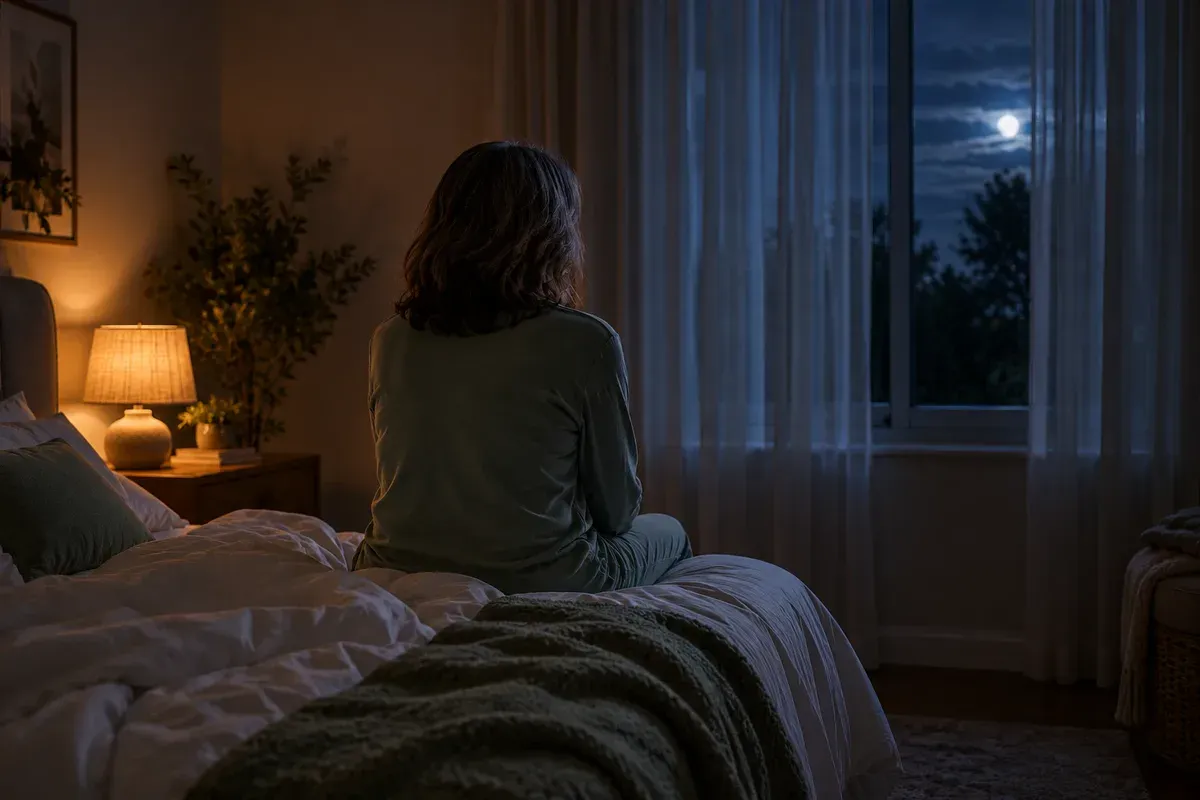
Why Do I Keep Waking Up at 3 AM?
Why it happens after 50, and how to make those wake-ups easier to manage.
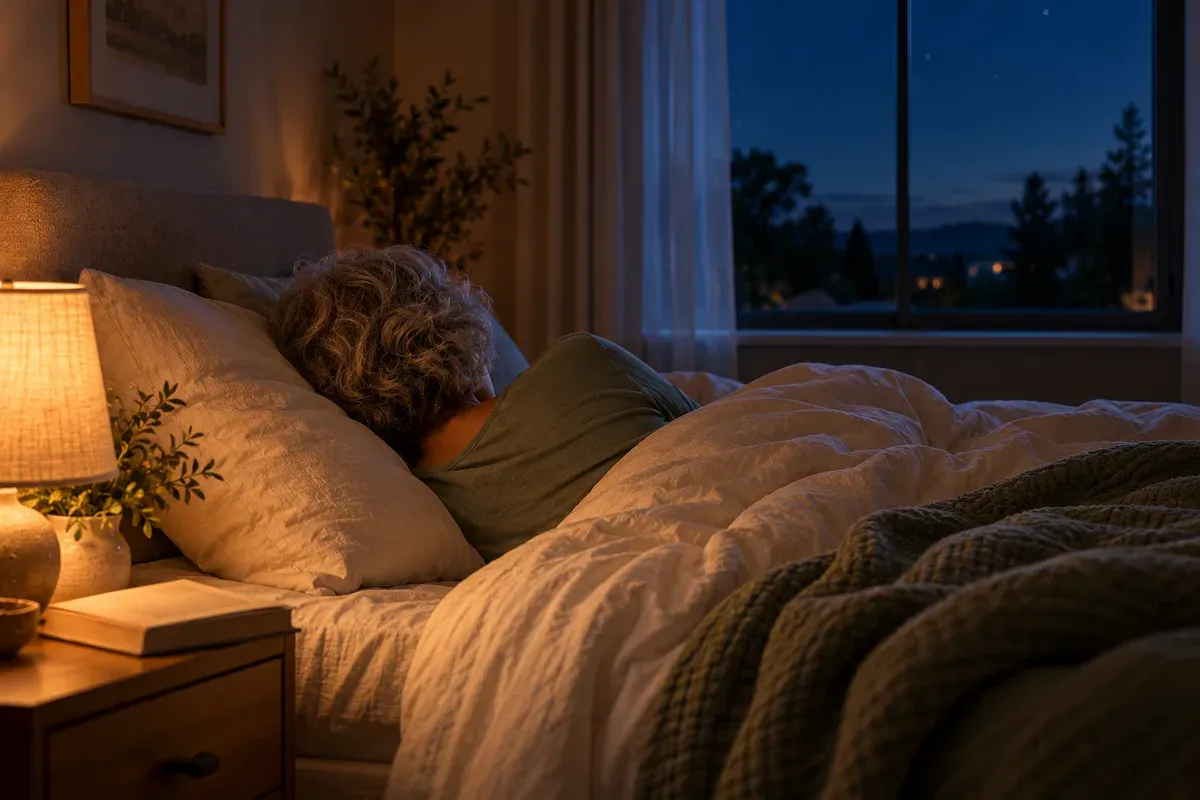
How to Get Back to Sleep After Waking Up at Night
Simple ways to stay calm, avoid common sleep traps and drift back off.
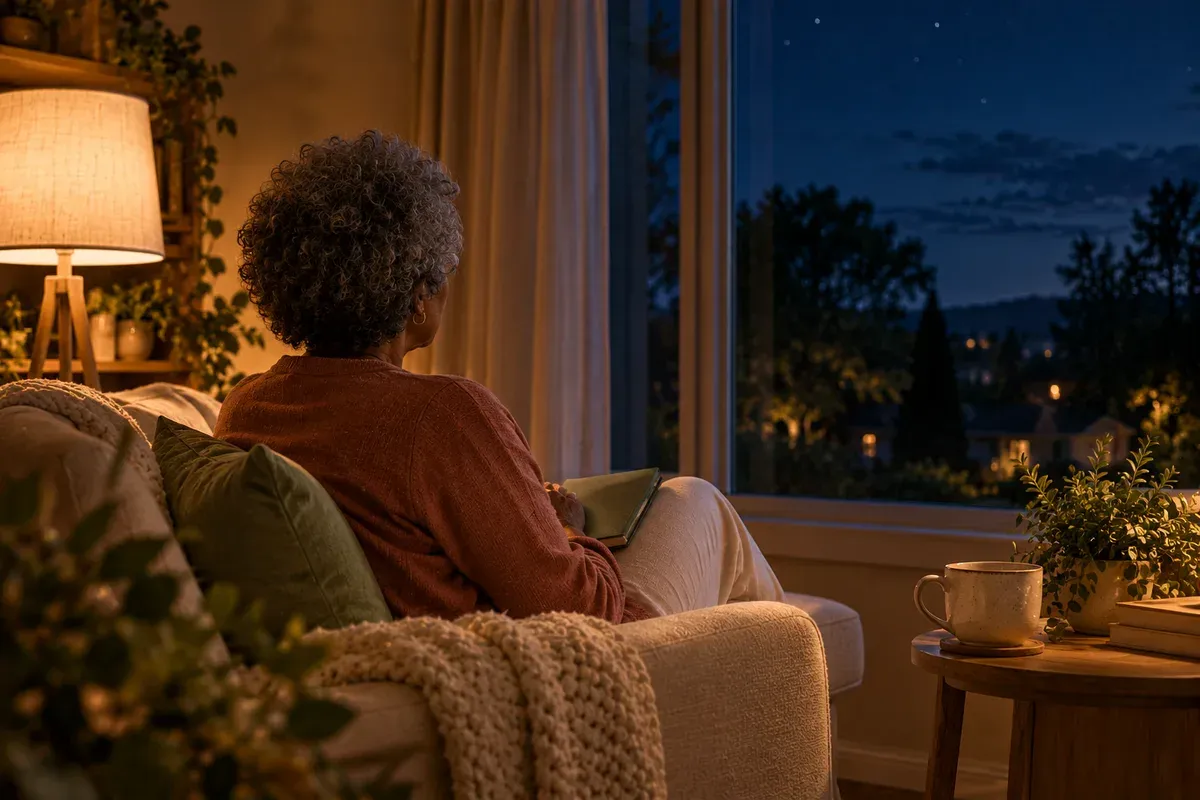
Why Am I Tired All Day but Wide Awake at Night?
Why fatigue and alertness can happen together, and the habits that may help.
Ready to understand
your sleep?
Find your Sleep Type in 2 minutes and get a FREE guide made for your pattern.
Ready to understand your sleep?
Take the 2-minute quiz and get your free personalized guide.
© 2026 My Wellness Chapter. All rights reserved.
For educational purposes only, not medical advice.
Explore
About us
Contact
Learn
Free Sleep Guide
Quiz
Sleep Reset Program
Connect
Youtube
Legal
Privacy Policy
Terms & Conditions
Disclaimer
Explore
About us
Contact
Learn
Sleep Type Quiz
Sleep After 50
Waking Up at 3 AM
Connect
Youtube
Legal
Privacy Policy
Terms & Conditions
Disclaimer
© 2026 My Wellness Chapter. All rights reserved.
For educational purposes only, not medical advice.